


Alcohol Detox

Medically supervised alcohol detox in San Diego County. Alcohol withdrawal is one of the few that can be life-threatening — our 24/7 nursing and physician oversight, FDA-approved withdrawal medications, and comfort care get you safely through the first 5 to 10 days.

◷ Admissions 24/7 ▢ Confidential ▭ Most insurance accepted

Accreditation & Licensing

Joint Commission CA State Licensed LegitScript Certified

Insurance Accepted

Anthem Aetna Cigna United + more

Private Alcohol Detox & Residential Treatment

Choosing sobriety signifies the first important step of the recovery journey.

With your sights set on an alcohol-free life, you look forward to the many rewards of a sober lifestyle. To launch your journey to recovery you must start with alcohol detox. The detox and withdrawal phase allows your body to eliminate the alcohol toxins and start rehab on stable footing.

If you or someone you know is struggling with alcohol addiction, call Pacific Bay Recovery at (619) 350-8220

Benzodiazepine Detox Pacific Bay Recovery

Why alcohol detox needs medical supervision

Alcohol is one of the few substances where withdrawal can cause seizures and even death. Anyone who has been drinking heavily on a daily basis should not stop on their own. Severe alcohol withdrawal — delirium tremens, or DTs — is a true medical emergency.

At Pacific Bay Recovery, alcohol detox happens on-site with 24/7 nursing and physician oversight. The goal is simple: get you safely and comfortably through withdrawal, with medication support to prevent seizures and minimize discomfort.

Call Pacific Bay Recovery now at (619) 350-8220 to learn more about our alcohol detox and residential at our private location.

Dual Diagnosis

When alcohol use disorder (AUD) co-occurs with a mental health disorder it is termed a dual diagnosis. Dual diagnosis often results from the use of alcohol as a maladaptive coping tool. Alcohol helps to numb the unpleasant symptoms of an existing mental health disorder like depression or anxiety. 

Treating Together

Because both the AUD and the mental health issue are linked, a dual diagnosis treatment protocol is needed. This ensures that both the alcohol addiction and the psychiatric disorder are both treated at the same time. Achieving a sustained recovery depends on addressing both disorders in treatment.

About the Alcohol Detox Process

Alcohol detox is the process of purging all residual alcohol from the body. Withdrawal symptoms start to surface 6-12 hours after the last drink. These symptoms are the result of the body and brain attempting to adjust to the absence of alcohol. This occurs because ongoing alcohol abuse had slowed the nerve activity in the central nervous system. During detox, the body struggles to recalibrate.

Medical detox is advised for managing alcohol withdrawal safely. This is especially important for someone with a moderate to severe AUD.

Withdrawal symptoms can range from mild to severe. The following factors play a role in the severity of symptoms:

  • Duration of alcoholism. The history of the disordered drinking is a key predictor of withdrawal symptom severity.
  • Daily alcohol consumption. The amount of alcohol consumed on a daily basis is a predictor for symptom severity.
  • Prior detox history. Someone with a history of multiple prior alcohol detox attempts is at a higher risk of the delirium tremens (DTs).
  • General health status. Chronic medical conditions and age may increase the risks of detox.
  • Co-occurring mental health disorder. A co-occurring mental health issue, such as anxiety, bipolar, or depression, can impact withdrawal symptoms.
  • Poly-substance addiction. If there are additional substance use disorders it complicates detox and can enhance the discomforts of withdrawal.
You can overcome alcohol dependence with the right support.

Call Pacific Bay Recovery at (619) 350-8220

What to Expect in Alcohol Detox

During detox, the medically trained team will provide medications to ease the withdrawal symptoms and reduce cravings. This support is critical if the detox is to be successful. Without assistance and medical interventions, the person is likely to give up and return to drinking.

Alcohol detox should only be attempted while under the care of medical professionals. Alcohol withdrawal symptoms are often unpredictable and sometimes dangerous, which is why a monitored inpatient setting is advised.

The length of the detox phase varies by individual, but averages seven days. Alcohol detox and withdrawal unfolds in three stages: 

Stage 1

This early phase of detox usually begins within six hours after the last drink and often lasts about one day. Common symptoms during this stage include shaking, nausea, headaches, anxiety, agitation, and vomiting or sweating.

Stage 2 

Often the most difficult as withdrawal symptoms reach their highest intensity and discomfort increases significantly. During this stage, clients may experience elevated anxiety, confusion, severe insomnia, tremors, and seizures.

Stage 3

The final phase typically begins after day four and can continue for several days or even weeks afterward. Symptoms during this stage may include anxiety, depression, cravings, insomnia, emotional instability, confusion.

What happens after detox

Detox stabilizes you physically — it does not by itself address the underlying alcohol use disorder. Every client at Pacific Bay Recovery transitions from detox into residential, PHP, or IOP treatment to do the deeper therapeutic work that produces lasting sobriety. Your clinical team builds a personalized continuing-care plan before discharge.

Insurance covers most of treatment

Free verification in about 15 minutes — no obligation, no commitment.

Frequently Asked Questions

Common Questions About Alcohol Detox

How long does alcohol detox take?

Most clients complete medical alcohol detox in 5 to 10 days. The first 2 to 3 days are typically the most intense. After detox, clients transition into residential or outpatient treatment.

Can alcohol withdrawal really kill you?

Yes. Severe alcohol withdrawal — particularly delirium tremens — can cause seizures, cardiac complications, and death if untreated. That is why medical supervision matters.

What medications are used during alcohol detox?

Benzodiazepines (typically Ativan or Librium) are the standard of care for managing alcohol withdrawal. Anticonvulsants and other comfort medications may also be used as clinically indicated.

Will I be sober when I leave detox?

You will be physically detoxed. The psychological work of recovery starts in the treatment program that follows detox — residential, PHP, or IOP — which addresses the underlying drivers of alcohol use.

Alcohol detox admissions, available 24/7

Confidential intake conversation. We will verify your insurance and arrange immediate admission if appropriate.

Kitchen ▣ Kitchen
Bathroom ▣ Bathroom
Outdoor Space ◉ Outdoor Space
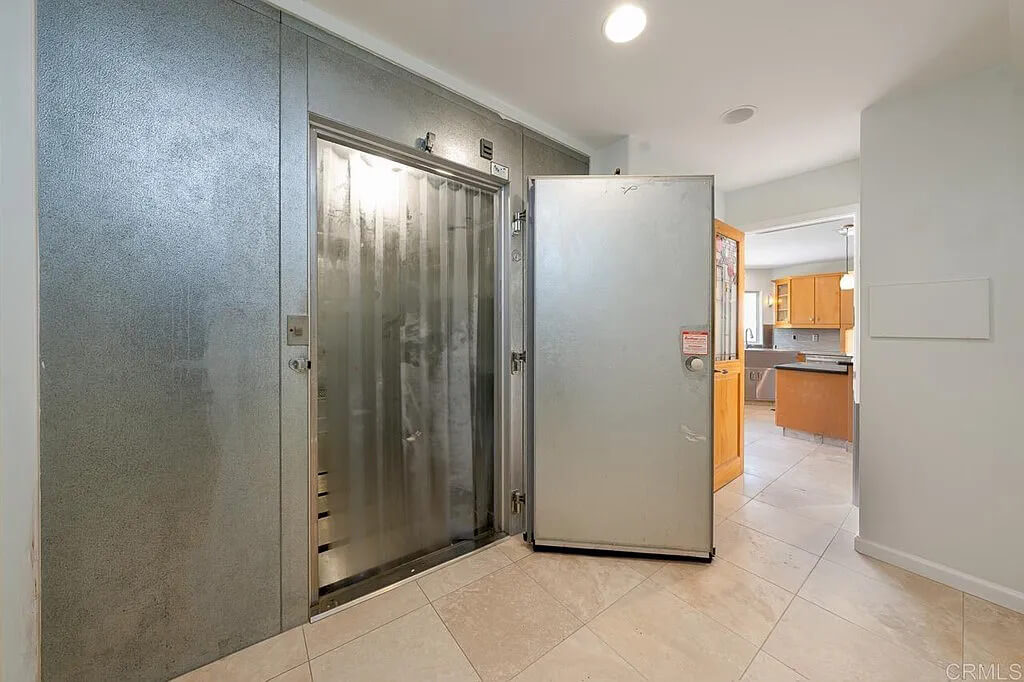
Secure Storage ◇ Secure Storage
Lounge ▰ Backyard
OUR TREATMENT PROGRAMS

Quality Care You Can Count On

We uphold the highest standards in safety, privacy and patient care.

Verify Approval for www.pacificbayrecovery.com

LegitScript Verified

Committed to transparency and integrity.

BBB Accredited Business

BBB Accredited Business

A+ rated for trust, service, and reliability.

SAMHSA Provider

SAMHSA Provider

Proudly audited by SAMHSA for quality and compliance.
The Joint Commission

The Joint Commission

Guided by the highest standards in healthcare.

Psychology Today Verified

Verified by Psychology Today

Trusted and recognized by patients.

Safe & Secure Environment

Your safety and privacy are our priority.

Accredited & Licensed

We meet rigorous standards for care.

Evidence-Based Care

Proven therapies and support.

Patient-Focused

Your healing journey is our purpose.

You Don’t Have to Do This Alone

Our team is here 24/7 to help you take the first step.

Call Now Verify Insurance
Skip to content