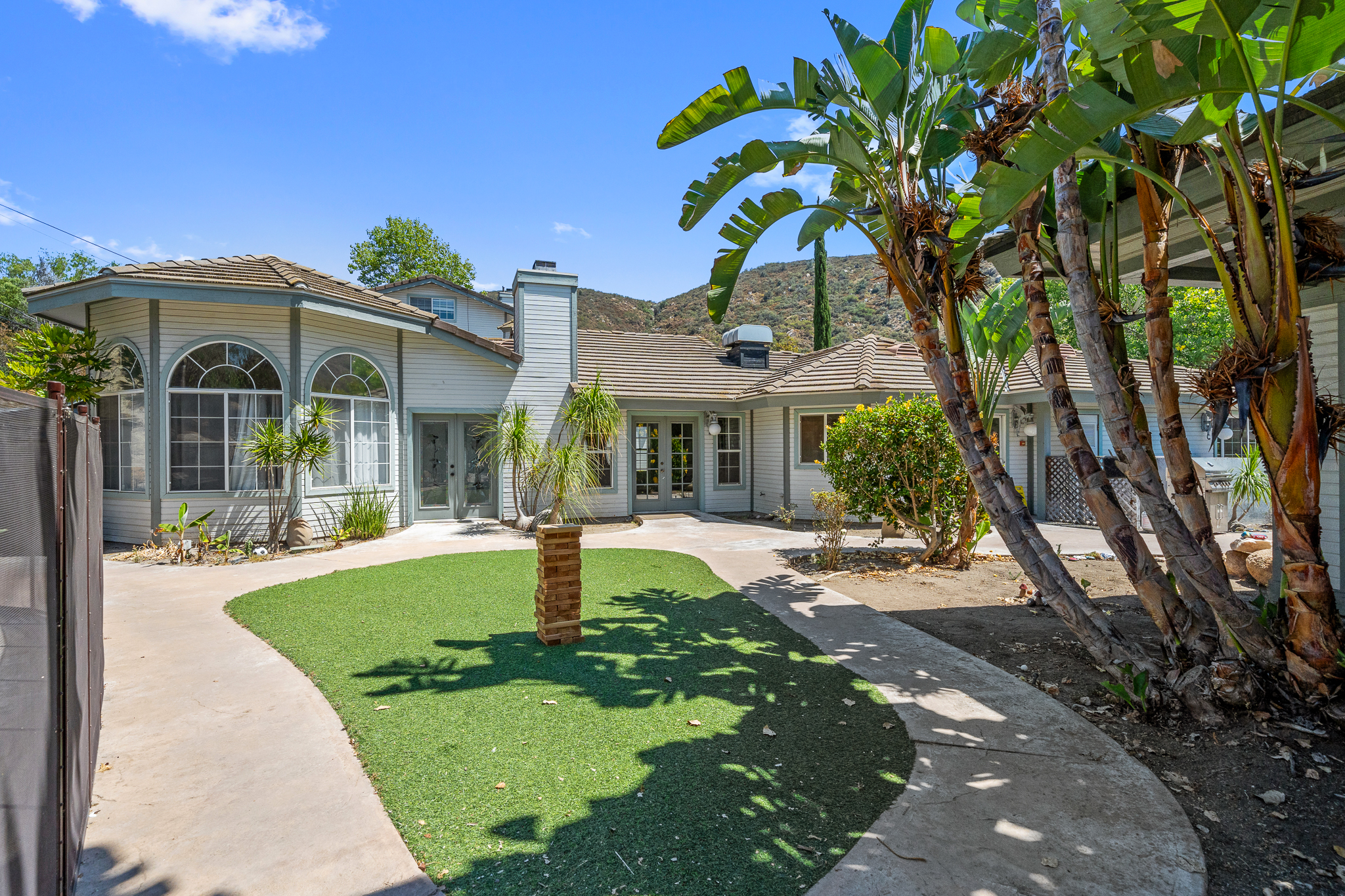
Sober Living San Diego

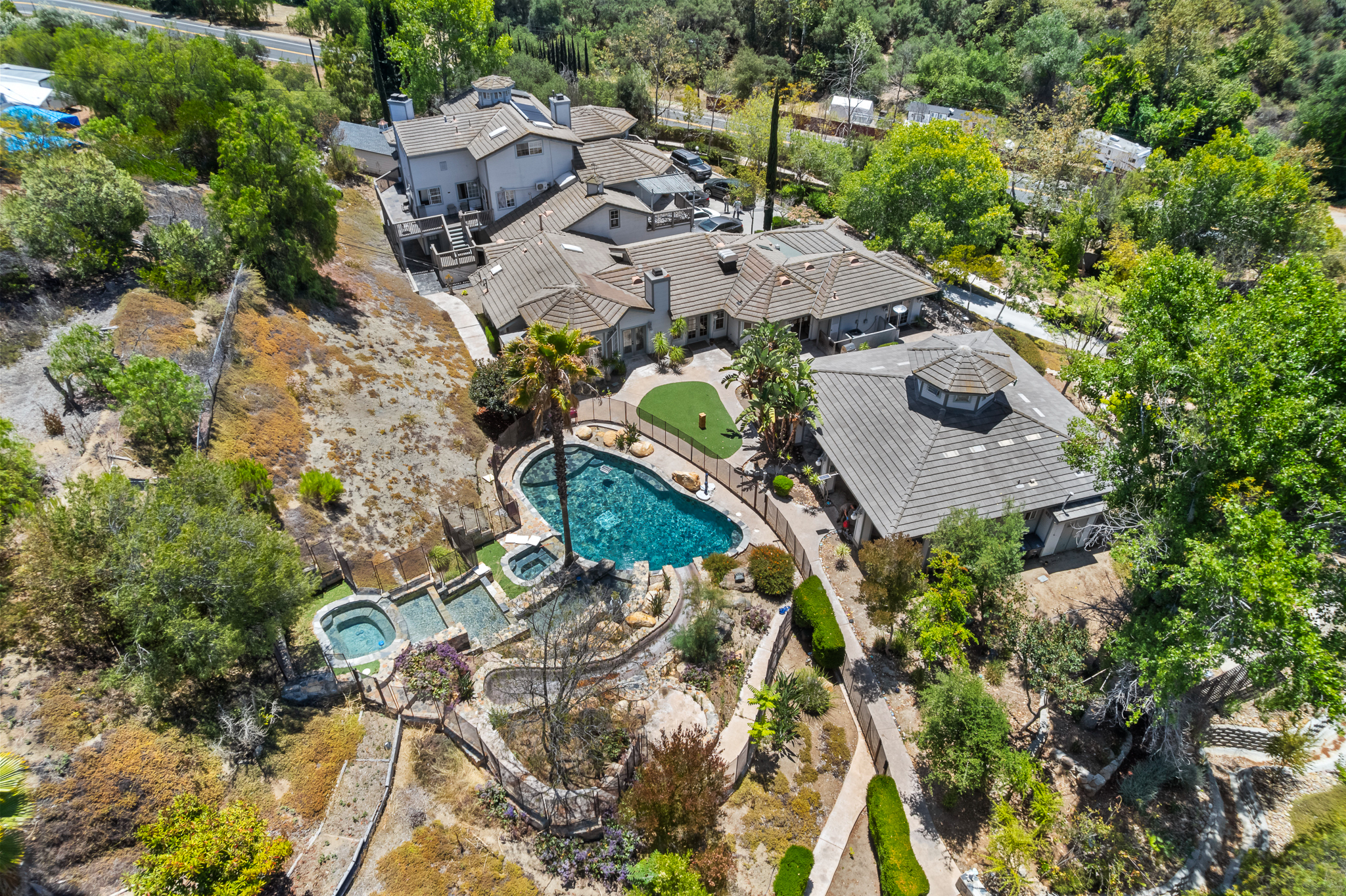
Structured sober living homes in San Diego County for clients transitioning from residential treatment back to independent life. Drug-tested, peer-supported, recovery-anchored housing that bridges the gap between treatment and real-world independence.

Admissions 24/7ConfidentialMost insurance accepted
Accreditation & Licensing
Joint CommissionCA State LicensedLegitScript Certified
Insurance Accepted
AnthemAetnaCignaUnited+ more

What sober living is

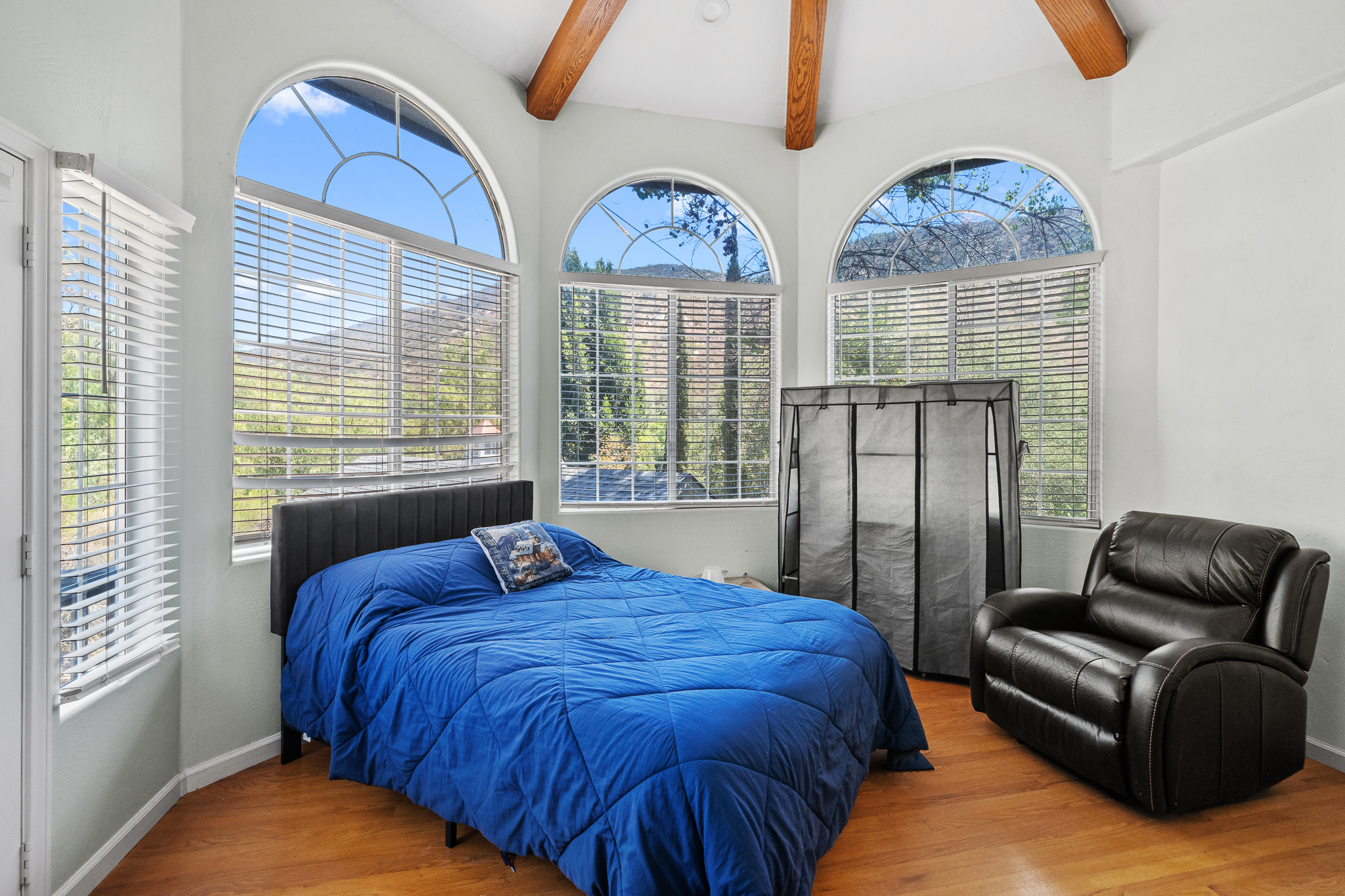
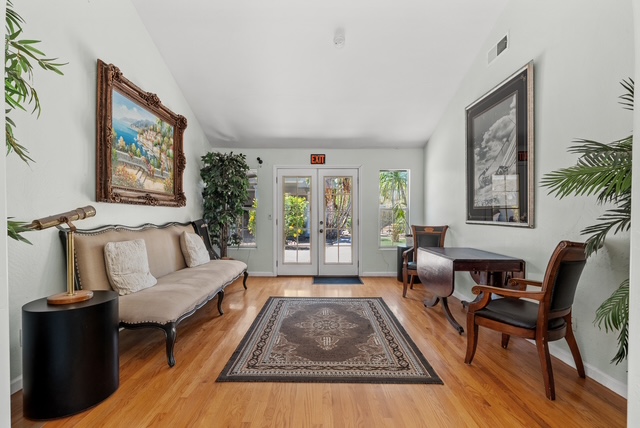
Sober living is a residential environment designed specifically for people in early recovery. Residents live with peers who are also in recovery, agree to drug testing, attend house meetings, and follow structure that supports continued sobriety. It is not treatment in the clinical sense — it is the environment that makes treatment stick.

Why sober living matters

Research consistently shows that residents who transition into sober living after primary treatment have dramatically lower relapse rates than those who return directly to their pre-treatment environment. The first 90 days after residential discharge are the highest-risk period for relapse, and sober living provides the bridge.

What sober living includes

  • Substance-free residential environment with regular drug testing
  • Peer accountability and house meetings
  • Structured rules and curfews (often relaxed over time)
  • Required attendance at recovery support meetings
  • Connection to outpatient treatment, alumni events, and medication management
  • Coaching on independent living skills, employment, and relationships

How long sober living lasts

Most residents stay 3 to 6 months, though many stay longer. The right length is when the resident has built enough stable recovery practices and life infrastructure to handle independent living without the daily structure of sober living.

Insurance covers most of treatmentFree verification in about 15 minutes — no obligation, no commitment.
Verify benefits

Common questions about sober living

Is sober living the same as a halfway house?

They overlap. Halfway houses typically have more rigid structure, often court-mandated. Sober living is voluntary, with rules that relax over time as residents demonstrate stable recovery.

Does insurance cover sober living?

Sober living itself is typically not covered by insurance because it is housing rather than clinical treatment. However, outpatient treatment attended from sober living is covered.

Can I work while in sober living?

Yes. In fact, employment or productive activity (school, volunteer work) is typically required after the first few weeks.

Do I have to attend meetings?

Yes. Most sober living houses require attendance at recovery support meetings (12-step, SMART Recovery, or similar) plus weekly house meetings.

Sober living placement, 24/7

Confidential intake. We will help arrange sober living as part of your overall step-down plan.

Call Now Verify Insurance
Skip to content