Heart Palpitations After Drinking: Causes, Warning Signs, and What to Do
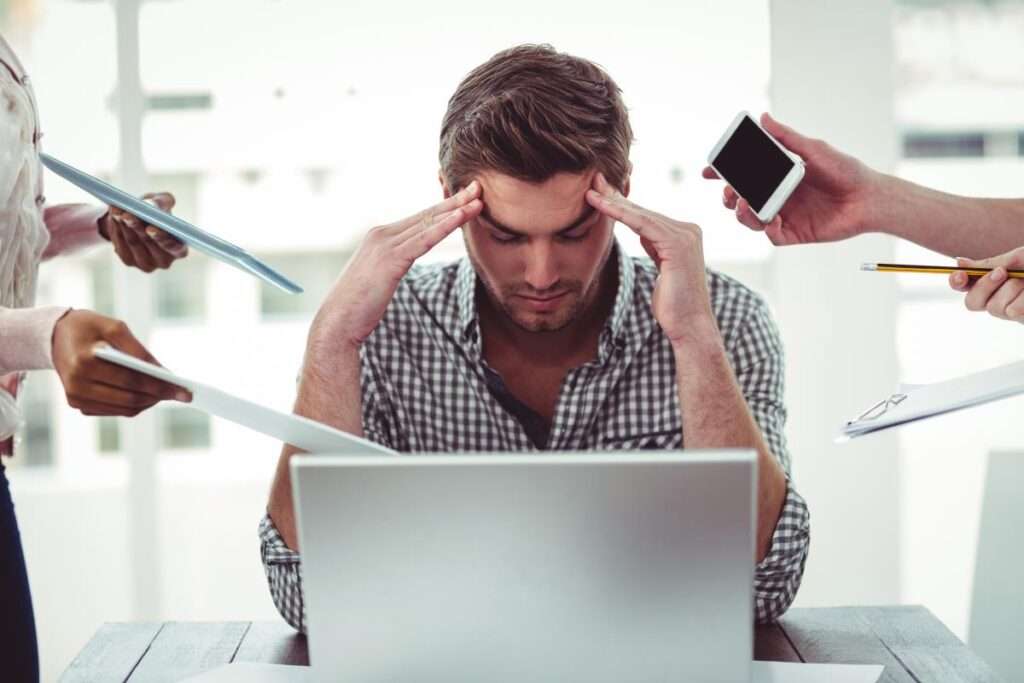
Your heart is pounding, fluttering, or skipping beats the morning after drinking, or it wakes you at 3 a.m. racing for no clear reason. Heart palpitations after drinking are common, and most episodes pass as alcohol clears the body. Some do not. This guide explains why alcohol can make your heart race, how to tell an uncomfortable episode from an emergency, and when palpitations are a sign that your body has become dependent on alcohol.
When to Call 911 Right Now
Do not wait out palpitations that come with any of the following. Call 911 or have someone take you to an emergency room:
- Chest pain, pressure, squeezing, or tightness, especially if it lasts more than a few minutes or goes away and comes back
- Shortness of breath, fainting, or feeling like you are about to pass out
- Pain spreading to the jaw, neck, back, arms, or shoulders
- A cold sweat with nausea or vomiting alongside a racing heart
- Confusion, seizures, hallucinations, or a very high fever
- Palpitations after mixing alcohol with stimulants, opioids, benzodiazepines, or other drugs
These overlap with the heart attack warning signs listed by the Centers for Disease Control and Prevention (CDC), which advises calling 911 immediately because the sooner treatment begins, the less damage the heart muscle takes. An emergency team can run an ECG and tell you in minutes what a guess at home cannot.
Palpitations During Withdrawal Need Medical Supervision
If you drink heavily or daily and your heart starts racing several hours after your last drink, the cause may be alcohol withdrawal rather than the alcohol itself. Withdrawal pushes the nervous system into overdrive: rapid heart rate, raised blood pressure, shaky hands, sweating, anxiety, and poor sleep often arrive together. Alcohol withdrawal can progress to seizures and delirium tremens, which can be fatal. Do not try to manage this at home, and do not drink again to make the symptoms stop. Medically supervised detox may be required, where clinicians track vital signs and use medication to keep the heart and nervous system stable. If this sounds like your situation, call our admissions team at 619-350-8220 to talk through whether detox is the safe next step.
Why Alcohol Makes Your Heart Race
Heart palpitations after drinking usually come from several effects stacking on top of each other. The most common are:
- Direct stimulation of the heart: Alcohol raises heart rate and can disturb the electrical signals that keep each beat in rhythm.
- Binge-related rhythm problems: Heavy drinking on a single occasion can trigger irregular rhythms such as atrial fibrillation, sometimes in people with no known heart disease, a pattern clinicians have nicknamed “holiday heart.”
- Dehydration and electrolyte loss: Alcohol makes you urinate more, and losing fluid, potassium, and magnesium makes heart muscle cells more irritable.
- The rebound as alcohol wears off: As blood alcohol falls, the body releases stress hormones such as adrenaline, which is why many people wake in the early morning with a pounding heart.
- Low blood sugar: Drinking without eating can drop blood sugar, which also triggers an adrenaline response and a rapid pulse.
- Stacked stimulants: Caffeine in mixers or energy drinks, nicotine, decongestants, and stimulant drugs add their own push to an already stressed heart.
- Anxiety after drinking: The next-day anxiety many people feel after drinking can raise heart rate on its own and makes every flutter feel more alarming.
Over time, the effects stop being temporary. The CDC lists high blood pressure, heart disease, and stroke among the long-term health effects of excessive alcohol use.
How Much Drinking Raises the Risk
Heart palpitations after drinking are most often reported after binge drinking, which the CDC defines as four or more drinks for women, or five or more drinks for men, on one occasion. The CDC defines heavy drinking as eight or more drinks per week for women, or 15 or more for men. If your palpitations follow nights at or above these levels, the drinking pattern is the first thing to change, and palpitations that keep returning are a reason to see a doctor even when each episode settles on its own.
Keep in mind that one poured drink is often more than one standard drink. A large glass of wine, a craft beer, or a mixed cocktail can each count as two or more.
What to Do When Palpitations Start
If none of the emergency signs above are present, take these steps in order:
- Stop drinking for the night unless you drink daily and are already feeling withdrawal symptoms. In that case, call a medical provider or our team before stopping.
- Sit or lie down somewhere safe, and loosen tight clothing.
- Check your pulse for 30 seconds at your wrist or neck and double it. Note whether the beat feels steady and fast, or irregular, with uneven gaps between beats. An irregular rhythm is more important to report than a fast but steady one.
- Sip water and eat something simple if you can keep it down.
- Skip caffeine, nicotine, and energy drinks for the rest of the day.
- Recheck in 15 minutes. If your heart is still racing, the rhythm is still irregular, or new symptoms appear, get medical care.
Avoid using sleep aids, anti-anxiety pills, or someone else’s prescription to calm your heart after drinking. Mixing alcohol with sedating medication can slow breathing dangerously.
Keep a Palpitation Log Before Your Next Appointment
A heart that races at home is often calm in a doctor’s office, so a written record does a lot of the work. For the next two weeks, write down each episode with five details: the time it started, how many drinks you had and over how many hours, your pulse count and whether it felt regular, what else was involved (caffeine, nicotine, missed meals, poor sleep, other substances), and how long it lasted. Bring the log to your next appointment and ask your doctor directly: “Do these episodes need an ECG or a heart monitor?” Being honest about how much you drink helps your provider pick the right test, and it is information they need, not something they are there to judge.
The log often shows a pattern people have not noticed: episodes that cluster the morning after heavier nights, or that start appearing on days without drinking at all. That second pattern is worth paying attention to.
When Palpitations Point to Alcohol Dependence
A pounding heart is sometimes the body’s earliest signal that drinking has crossed into dependence. Watch for these signs alongside palpitations:
- Your heart races, or your hands shake, on mornings when you have not had a drink yet
- A drink calms the racing heart, so you start drinking earlier in the day
- You sweat heavily at night, a problem we cover in why excessive sweating at night happens with alcohol
- You feel exhausted for days after drinking, as explained in how long post-alcohol fatigue lasts
- You feel anxious, irritable, or low when you try to cut back, which overlaps with psychological withdrawal symptoms
Each of these suggests the body has adjusted to alcohol and now reacts when it is missing. That is a medical condition, not a failure of willpower, and it responds to treatment. For people who also live with anxiety or depression, care that addresses both conditions together tends to work better than treating either one alone.
How Treatment Helps the Heart Recover
For many people, palpitations ease once drinking stops and the body is through withdrawal, though recovery timelines vary and any underlying heart condition still needs its own follow-up with a physician. In a medically supervised detox, staff check heart rate, blood pressure, and withdrawal symptoms on a regular schedule, correct dehydration and electrolyte problems, and adjust medication as symptoms change. After detox, residential, partial hospitalization, and intensive outpatient programs help people build a life that does not depend on alcohol, which is the most reliable way to keep the palpitations from coming back.
If you are not sure where to start, SAMHSA’s National Helpline at 1-800-662-4357 offers free, confidential treatment referrals 24 hours a day, 365 days a year, in English and Spanish, according to the Substance Abuse and Mental Health Services Administration.
Talk to Pacific Bay Recovery
Pacific Bay Recovery in San Diego offers medically supervised detox, residential treatment, partial hospitalization, intensive outpatient care, and dual diagnosis treatment for people whose drinking has started to affect their health. If your heart races when you drink, or when you try to stop, call 619-350-8220. A conversation can help you decide whether detox, outpatient care, or a visit to your doctor is the right next step.
This article is for educational purposes only and is not a substitute for professional medical advice, diagnosis, or treatment. If you have chest pain, trouble breathing, fainting, or a seizure, call 911 immediately. Alcohol withdrawal can be dangerous; speak with a qualified medical provider before stopping alcohol if you drink heavily or daily.