
Sleep and Addiction Recovery: Why Insomnia Threatens Sobriety
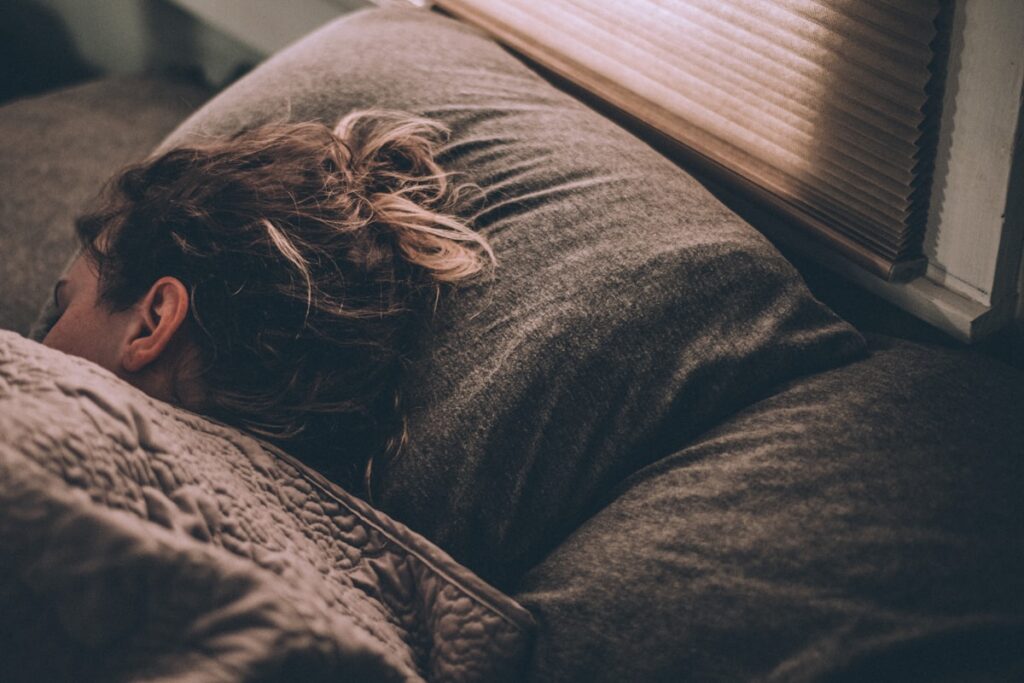
Few problems frustrate people in early sobriety more than not being able to sleep. The link between sleep and addiction recovery is well documented: alcohol, opioids, stimulants, and benzodiazepines all disrupt the brain’s sleep architecture, and that disruption can persist for weeks or months after the last use. For many people in early recovery, broken sleep is not just uncomfortable — it is one of the strongest predictors of relapse. At Pacific Bay Recovery in San Diego, our clinical team treats insomnia as a core part of the recovery plan, not an afterthought.
This article explains what happens to sleep during active substance use, what to expect in the first 90 days of sobriety, and which evidence-based strategies actually help. It is informational only and is not a substitute for evaluation by a licensed clinician.
Why Sleep and Addiction Recovery Are So Closely Linked
Substance use disorders alter the same neurochemistry that regulates sleep. The National Institute on Drug Abuse notes that sleep disturbance is one of the most common — and most overlooked — symptoms in people with substance use disorders. Alcohol fragments REM sleep and suppresses deep slow-wave sleep. Stimulants like cocaine and methamphetamine shorten total sleep time and can produce days-long insomnia during withdrawal. Opioids change breathing patterns and reduce restorative sleep, while benzodiazepines and so-called “Z-drugs” create dependence on the very mechanism the brain needs to fall asleep on its own.
When a person stops using, the brain has to relearn how to sleep without chemical help. That relearning period — sometimes called post-acute insomnia — is when relapse risk spikes. A landmark study summarized by the National Institute on Alcohol Abuse and Alcoholism found that persistent insomnia in early recovery is associated with significantly higher rates of return to drinking. Treating sleep is treating the disorder.
What Happens in the First 90 Days
Timelines vary by substance and by individual, but a general pattern is common:
- Days 1–7 (acute withdrawal): Total sleep time drops sharply. People often report only two to four hours of broken sleep per night. Medical detox, when indicated, manages this safely.
- Weeks 2–4: Sleep becomes possible but unrefreshing. Vivid dreams, night sweats, and middle-of-the-night waking are common as REM rebounds.
- Months 2–3: Sleep architecture begins to normalize. Most people see meaningful improvement, though some symptoms can linger for six to twelve months — a pattern consistent with post-acute withdrawal.
Knowing this timeline matters. A person who expects to sleep normally by day three will feel like recovery is failing. A person who knows that month one is typically the hardest can plan for it and stay engaged in care.
Why Poor Sleep Drives Relapse
Sleep deprivation does measurable damage to the brain systems that support sobriety. The Centers for Disease Control and Prevention notes that even short-term sleep loss impairs judgment, impulse control, and emotional regulation — the exact capacities a person in early recovery is working to rebuild. When someone is exhausted, cravings feel louder, frustration tolerance drops, and the cost-benefit math of using shifts in dangerous ways.
There is also a co-occurring mental health dimension. Many people with substance use disorders also live with depression, anxiety, PTSD, or bipolar conditions, and insomnia is a core symptom of all of them. Integrated dual diagnosis treatment addresses both at once, because treating only the substance use while ignoring the underlying mental health condition rarely produces durable sleep or durable sobriety.
Evidence-Based Strategies That Actually Help
Sleep hygiene tips alone — cool room, no screens — are rarely enough in early recovery. The interventions with the strongest evidence are clinical.
Cognitive Behavioral Therapy for Insomnia (CBT-I)
CBT-I is considered first-line care for chronic insomnia by major medical organizations and is especially well-suited to recovery populations because it does not require medication. It targets the thoughts and behaviors that keep insomnia going: clock-watching, going to bed too early, lying in bed awake, and catastrophizing about lost sleep. Pacific Bay Recovery integrates CBT in our San Diego programs, and the same techniques translate directly to sleep work.
Stabilizing the Body First
For people coming off alcohol, benzodiazepines, or opioids, supervised medical detox in San Diego is the safest starting point. Stabilizing withdrawal allows sleep to begin returning at all. After detox, inpatient rehab provides a consistent sleep environment — same bedtime, same wake time, screens off, no caffeine after early afternoon — that is very hard to replicate at home.
Movement, Light, and Body-Based Care
Daytime sunlight exposure and moderate exercise are two of the most powerful, lowest-cost interventions for resetting circadian rhythm. San Diego’s climate makes this realistic year-round. Holistic care such as yoga, acupuncture, and breathwork can also reduce the nighttime hyperarousal that keeps people awake. None of these replace clinical care; they make clinical care work better.
Cautious Use of Sleep Medications
Some medications can help sleep in early recovery, but the choices matter. Benzodiazepines and Z-drugs are generally avoided in people with substance use disorders because of their own dependence potential. Non-habit-forming options — certain antidepressants used at low doses, melatonin agonists, or specific antihistamines — may be appropriate. These decisions belong to a qualified prescribing clinician who knows the person’s full history.
Building a Sleep Routine That Survives Real Life
Recovery does not happen in a quiet retreat — it happens at home, around jobs and families. A realistic sleep plan respects that. We typically encourage people to:
- Keep a consistent wake time, even on weekends.
- Get outside within an hour of waking for natural light.
- Cut caffeine after noon and avoid nicotine close to bedtime.
- Use the bed only for sleep — not for scrolling, working, or worrying.
- If awake more than 20 minutes, get up, do something quiet and dim, return when sleepy.
- Stay connected to aftercare so that insomnia is caught and addressed before it threatens sobriety.
When to Reach Out for Help
Persistent insomnia in early recovery is not a character flaw and not something to push through alone. If sleep problems are lasting more than a few weeks, worsening cravings, or pulling someone toward old patterns, that is a clinical signal — not a willpower problem. People with co-occurring conditions deserve integrated care that treats both the substance use disorder and the underlying sleep or mental health symptoms together.
If someone is in immediate crisis, they can call or text 988 to reach the 988 Suicide & Crisis Lifeline.
This article is informational and does not replace personalized medical advice. Treatment decisions should be made with a licensed clinician.
Pacific Bay Recovery in San Diego
Our team treats sleep as a core measure of recovery progress — alongside cravings, mood, and function. If you or a loved one is struggling with insomnia, returning use, or a co-occurring mental health condition, call our admissions team at 619-350-8220 or contact us online to talk through next steps. Recovery is possible, and better sleep is part of it.